How to choose art and craft supplies for your skill level
The best art and craft supplies match your project, your skill level and the way you like to work. This guide explains how to judge quality, what changes as you spend more, which mistakes waste materials, and how to store and use your supplies well.
Updated 6 November 2026
What to look for
Match the supply to the project
Start with what you want to make. Watercolor, acrylic, drawing, knitting, sewing, jewelry making and paper crafts each need different tools. Read the description to see which techniques a product is designed for, and avoid buying a big set before you know what you will use.
Pigment and material quality
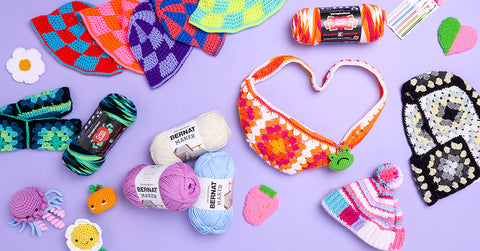
In paints, pencils and pastels, quality shows in how rich and even the color is and how well it blends. Student grades are fine for practice. Artist grades usually contain more pigment and less filler. For yarn, fabric and beads, look at the fiber or material, since that affects how it feels, wears and washes.
Lightfastness and permanence
If you want your work to last, look for details on lightfastness, which describes how well a color resists fading. Archival or acid-free labels on paper and board matter for pieces you plan to frame or keep. For casual projects and children's crafts, these details are less important.
Safety and non-toxic labeling
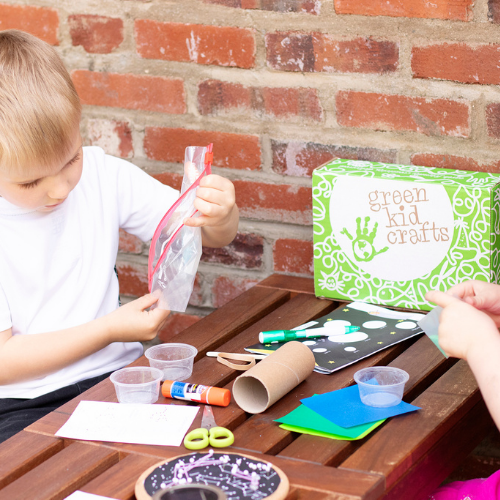
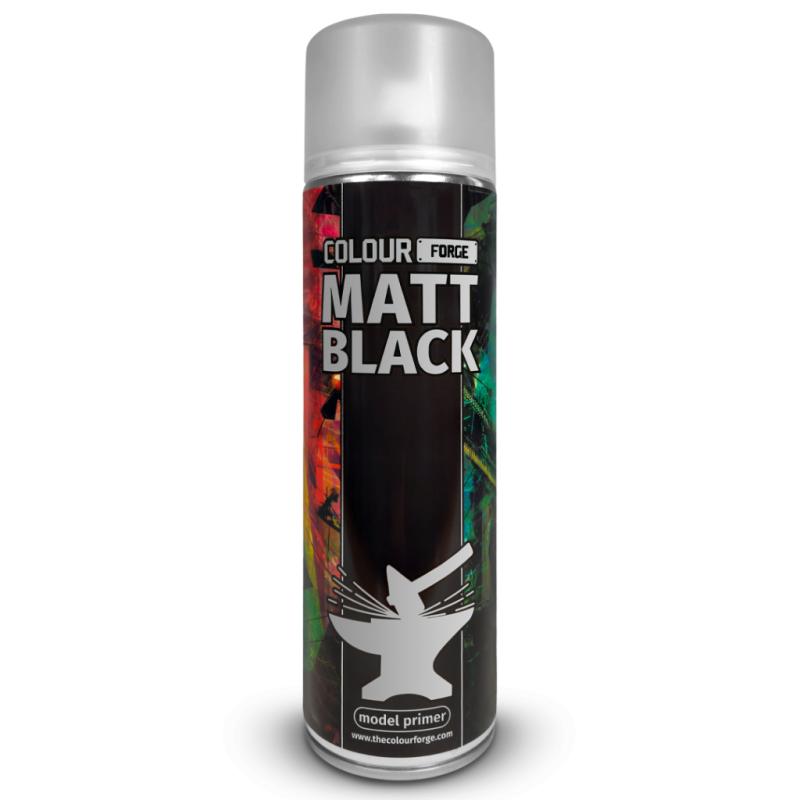
Check the safety information, especially for supplies used by children or in small spaces. Look for clear non-toxic labels where they apply, and read warnings about ventilation for sprays, resins and strong adhesives. Some materials also contain common allergens, such as latex or wool.
Tool feel and comfort
Brushes, needles, hooks, blades and scissors should feel comfortable in your hand. A good tool has a firm handle, a clean edge or a bristle that springs back. Comfort matters more than a long feature list, because you will use these tools for hours.
Quantity and set contents
Sets can be good value, but only if you will use most of what is inside. Check the sizes, colors and count. A smaller kit with better materials often beats a large kit full of filler.
Choosing by budget
Entry-level: Basic supplies are ideal for beginners, children and trying a new hobby. Expect simpler pigments, thinner paper and fewer color choices. They are perfectly good for learning technique.
Mid-range: Here you get stronger color, better paper and fabric, more reliable tools and a wider range of options. This is a smart tier for hobbyists who practice often and want results that match their effort.
Premium: Premium supplies offer professional-grade pigment, fine fibers, precision tools and strong archival qualities. They give you more control and longer-lasting results. They are worth it once you know what you like, especially for work you will sell, gift or display.
Common mistakes to avoid
- Buying a huge set before trying a few basics, then leaving half of it unused.
- Using the wrong paper or surface for the medium, such as thin paper with wet paint, which warps and tears.
- Mixing incompatible materials, like oil-based and water-based products, without checking.
- Skipping a small test. Try colors, glues and dyes on a scrap first.
- Ignoring safety labels on adhesives, sprays and resins.
- Choosing the cheapest tool for a job that needs precision, which makes the work harder than it should be.
Care and getting the most from it
Clean brushes right after use with the right cleaner for the paint, then reshape the bristles and let them dry lying flat or hanging with the tips down. Never leave brushes standing on their bristles in water.
Close lids tightly on paints, inks and glues, and wipe the rims so they do not seal shut. Store pencils, pastels and markers flat or in cases that protect the tips. Keep markers capped and stored according to the maker's instructions.
Protect paper and fabric from moisture, direct sun and pests. Store paper flat in a dry place, and keep fabric and yarn in breathable containers rather than sealed plastic if you plan to keep them for a long time. Cedar or lavender can help deter moths from wool.
Keep tools sharp and clean. Dull blades slip and cause injuries, so replace them as soon as they stop cutting cleanly. Cover cutting edges when you store them and keep them out of reach of children.
Finally, set up a comfortable workspace with good light and a surface you can protect. A little preparation prevents spills and makes your sessions more enjoyable.
Quick checklist before you buy
- Is the product designed for the technique and surface you plan to use?
- Do you know whether it is student, hobby or artist grade?
- Are the safety and non-toxic details clear, especially for children?
- Does the listing show sizes, colors and quantities, so you know what you are getting?
- Do you need compatible extras, such as cleaner, primer or a specific surface?
- Will you use most of the set, or would a smaller kit suit you better?
- What is the brand's returns policy on opened or custom-mixed items?