How to choose bedding and bath linens that feel good
Sheets, towels and bath basics are things you touch every day, so comfort and durability matter. This guide covers fibers, weave, weight and sizing, what to expect at different budgets, and the care habits that keep linens soft for longer.
Updated 6 November 2026
What to look for
Fiber type
Cotton is soft, breathable and easy to wash. Linen is airy and gets softer with use. Bamboo-derived fabrics feel smooth and drape well. Wool and down alternatives add warmth. Synthetic blends can resist wrinkles but may feel warmer. Choose fibers that suit your climate and skin.
Weave and feel
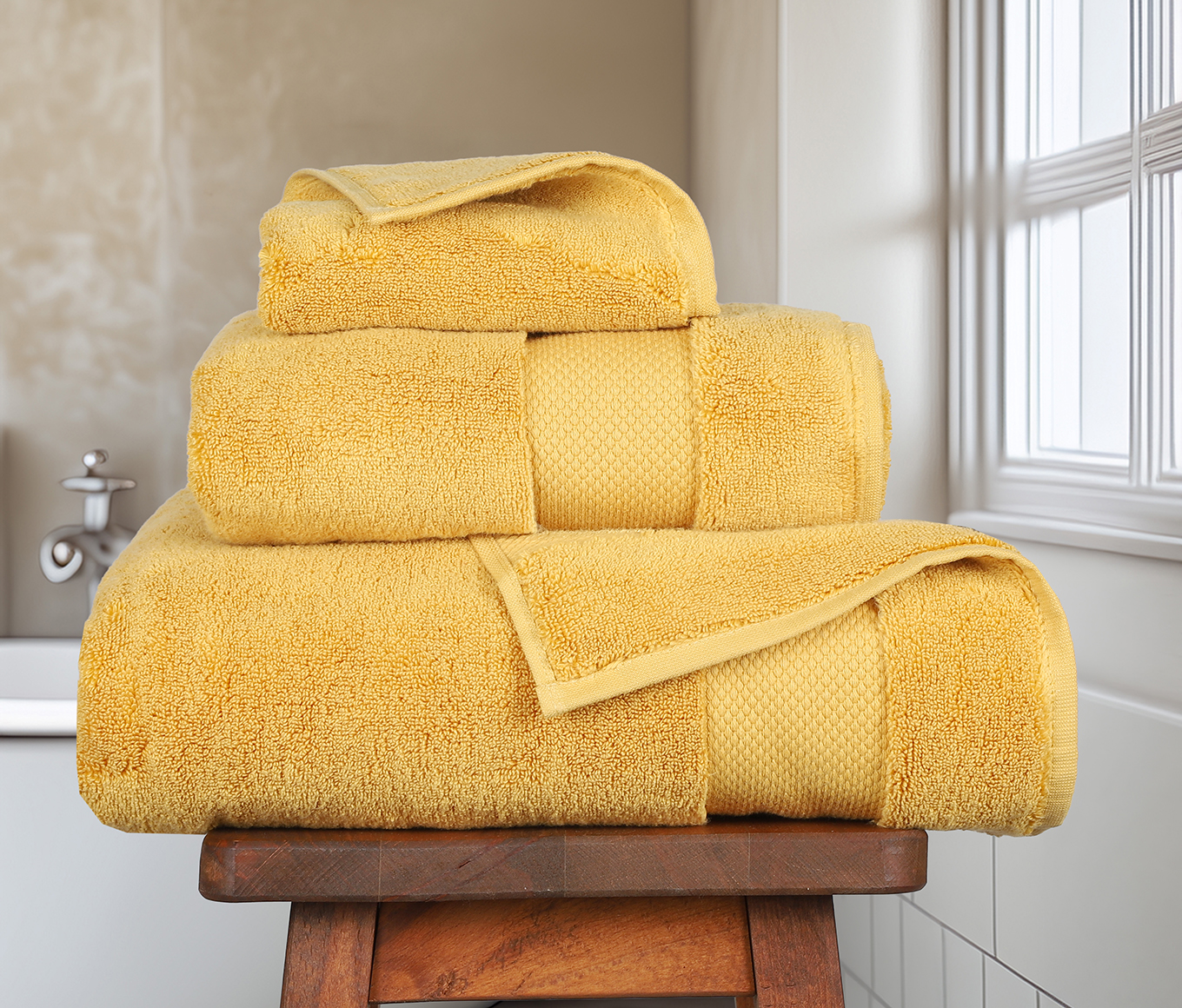
Percale is crisp and cool, while sateen is smooth and a bit warmer. Flannel is cozy for cold nights. For towels, look at the loop pile. Longer loops absorb well but dry slowly, while shorter, denser loops dry faster and feel more structured.
Weight and density
Thread count is only one clue, and very high numbers do not always mean better fabric. Look at fiber quality and weave too. For towels, a heavier weight usually means more absorbency and a plush feel, though lighter ones are easier to dry and pack.
Size and fit
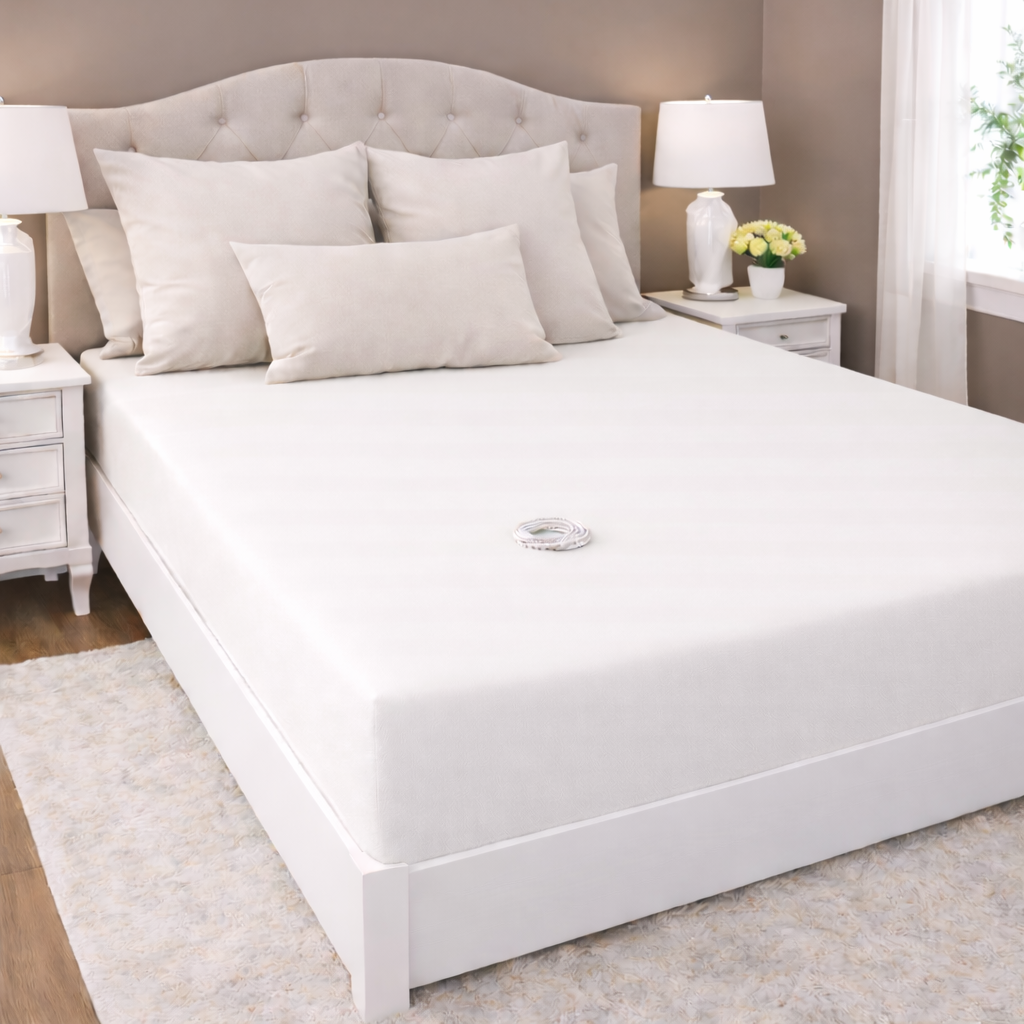
Measure your mattress depth, not just its dimensions. Fitted sheets should have deep pockets if you use a mattress topper. Check that duvet covers match your insert size. For bath items, consider the size of your towel bars and the space on your shelves.
Fill and support
For pillows and comforters, think about how you sleep. Side sleepers often prefer firmer, higher pillows, while back and stomach sleepers usually like softer, lower ones. Look for fills that match your needs, such as hypoallergenic options if you have sensitivities.
Safe materials
Check labels for information about dyes and finishes, especially for items used by babies and people with sensitive skin. Pay attention to care labels, which tell you how the fabric should be washed and dried.
Choosing by budget
Entry-level
Entry-level linens are fine for guest rooms, dorms and short-term needs. Expect thinner fabric, a less refined feel and quicker wear. They may pill or fade sooner, but they work for basic everyday use.
Mid-range
Mid-range options tend to use better fibers, tighter weaves and more careful stitching. They hold up through frequent washing and stay comfortable. This tier suits most households.
Premium
Premium linens generally use long, high-quality fibers, refined weaves and detailed finishing. They feel smoother and last longer with proper care. They are a good fit if you value a softer, more luxurious feel in the items you use every night.
Common mistakes to avoid
- Choosing by thread count alone and ignoring fiber and weave.
- Not measuring mattress depth, which leads to sheets that pop off the corners.
- Skipping a wash before first use, when new items may carry finishing residue.
- Buying only one set, so you have nothing to use while it is in the laundry.
- Picking a pillow or comforter based on firmness you would not choose for your sleep position.
- Using too much detergent or fabric softener, which can reduce absorbency.
Care and getting the most from it
Wash new linens before first use, and follow the care label. Wash sheets and towels in warm or cool water as directed, and avoid overloading the machine so everything gets rinsed well. Use a moderate amount of detergent, since leftover residue can make fabric stiff.
Dry on a lower heat setting, and remove items while they are still slightly damp if you can. High heat wears out fibers and can cause shrinkage. Avoid fabric softener on towels, because it coats the fibers and cuts down on absorbency.
Hang towels so they dry fully between uses, which prevents musty smells. Wash sheets weekly or every other week, and pillows and comforters a few times a year as the label allows. Use protectors on mattresses and pillows to extend their life. Rotate sets so that wear is spread out.
Create a comfortable sleep setup as a whole. Keep the bedroom cool, dark and quiet if you can, and choose layers you can add or remove through the night. Lightweight covers for summer and heavier ones for winter are often better than one thick item all year.
For the bathroom, keep a couple of spare towels and a bath mat with a non-slip backing. Hang them where air can move around them, and replace worn or thinning towels, which stop absorbing well.
Quick checklist before you buy
- Measure your mattress width, length and depth.
- Check the fiber type and weave against your climate and preferences.
- Look at the weight or density, not only the thread count.
- Confirm pillow and comforter fill suits how you sleep.
- Read the care instructions and check they fit your laundry routine.
- Check for any allergy or sensitivity needs.
- Read the brand's returns policy, especially for opened or washed items.