How to choose garden and patio items that last outdoors
Anything you leave outside faces sun, rain and temperature swings. This guide covers weather-resistant materials, sizing, stability and upkeep, what to expect at each budget level, and the planning mistakes that lead to faded cushions, rusty frames and cramped patios.
Updated 6 November 2026
What to look for
Weather-resistant materials
Powder-coated aluminum resists rust and stays light. Stainless steel is strong, and teak and other dense hardwoods stand up well to moisture. Resin and synthetic wicker handle sun and rain with little fuss. Untreated steel and soft woods may need regular protection to avoid rust or rot.
Sun and water resistance
Look for fabrics that resist fading, mildew and stains. Cushions should have quick-drying fill and removable covers. Check that seams are well stitched and that hardware is rust-resistant, since screws and hinges often fail first.
Size and layout
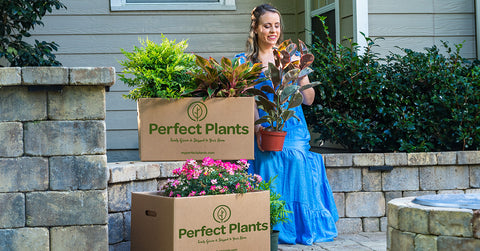
Measure your patio, deck or garden bed before shopping. Leave room to walk around furniture and to pull chairs out. For planters and raised beds, think about depth and width, since roots need room and plants need to reach the light they require.
Stability and wind
Lightweight items can blow around in strong wind. Look for wide bases, weighted feet or anchor options. Umbrellas need a heavy, stable base. Check that tables do not rock on uneven surfaces and that chairs have a secure frame.
Drainage and ventilation
Planters need drainage holes so roots do not sit in water. Storage boxes and covers should let air circulate to prevent mold. Slatted surfaces let rain run off instead of pooling.
Safety
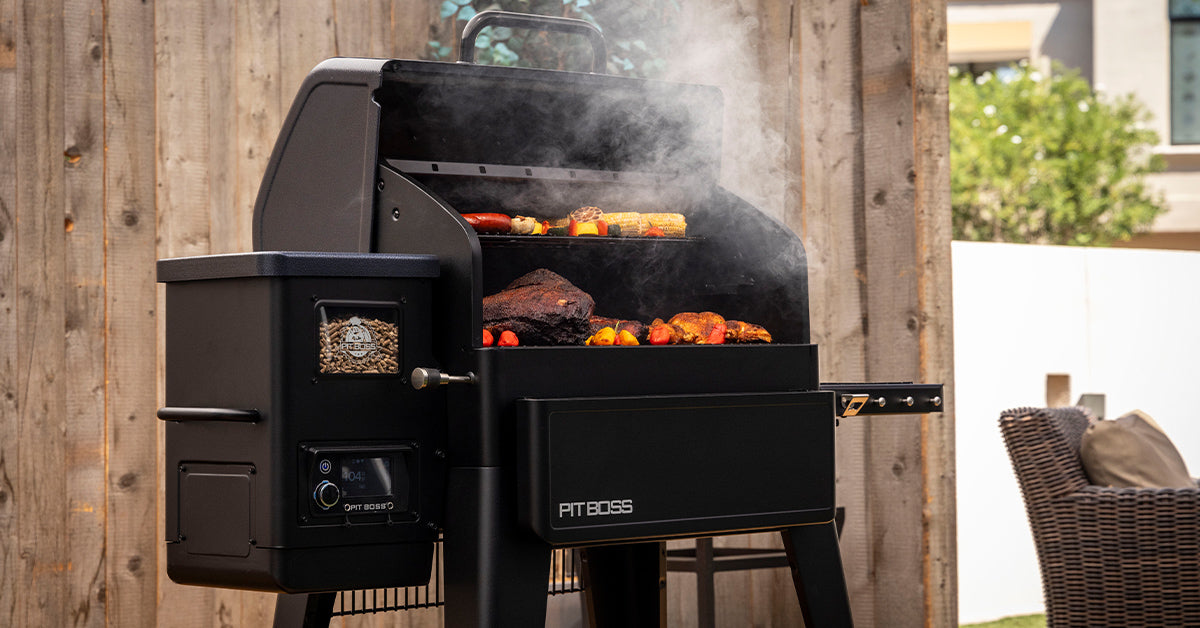
Check weight limits on seating, hammocks and swings. Look for smooth edges and non-slip feet. For grills, heaters and fire features, choose models with stable bases and clear instructions, and keep them well away from structures and dry plants.
Choosing by budget
Entry-level
Entry-level items are a sensible starting point for small spaces and seasonal use. They often use thinner metal, lighter resin and basic finishes. Plan to bring them inside or cover them during harsh weather.
Mid-range
Mid-range items usually have stronger frames, better coatings and sturdier fabric. They tolerate more weather and use. This tier is a good match for regular outdoor living.
Premium
Premium pieces generally use heavy-duty materials, careful joinery and better finishes. They resist fading and corrosion for longer, and parts are often easy to replace. They suit homeowners who want outdoor pieces to last many seasons.
Common mistakes to avoid
- Choosing indoor-style materials that break down outdoors.
- Forgetting to measure the space, then crowding the patio.
- Ignoring wind, which can tip umbrellas and lightweight furniture.
- Leaving cushions out in heavy rain or long wet spells.
- Putting plants in containers with no drainage or in the wrong light.
- Buying everything at once instead of starting with the pieces you will use most.
Care and getting the most from it
Clean outdoor items with mild soap and water, and rinse well. Wipe up spills before they stain. Let cushions and covers dry fully before storing them, and store them in a dry place during the off-season.
Use breathable covers for furniture left outside. Plastic that traps moisture can cause mildew. Reapply sealant or oil to wood as the maker advises, and touch up chips in painted metal quickly to stop rust spreading.
Check bolts and joints at the start of each season. Move items that sit on soil or wet ground onto pavers or feet so air can circulate underneath. For plants, water deeply and less often, rather than a little every day, and check soil moisture before adding more. Use gloves and sturdy footwear for garden tasks, and store tools out of reach of children.
Think about how you will use the space through the day. Notice where the sun and shade fall in the morning and afternoon, and place seating and plants to suit. A shaded corner is welcome in summer, while a sunny spot works well for herbs and vegetables.
Add comfort and privacy gradually. Outdoor rugs, lighting, screens and tall planters can make a patio feel like another room. Choose lighting rated for outdoor use, and keep cords and plugs protected from rain and foot traffic.
Finally, plan for the colder months. Drain hoses and irrigation lines before frost, empty planters that could crack, and move delicate plants indoors.
Keep a simple seasonal routine. A quick wash in spring, a check of hardware in summer, and covering or storing items before the first hard frost will add years to most outdoor pieces.
Quick checklist before you buy
- Measure your patio, deck or planting area, and mark the layout.
- Check dimensions, weight and weight capacity.
- Look for rust-resistant hardware and fade-resistant fabric.
- Confirm drainage for planters and storage items.
- Think about wind and how you will anchor lighter pieces.
- Check what covers or storage you will need for the off-season.
- Read the brand's returns policy and warranty terms.