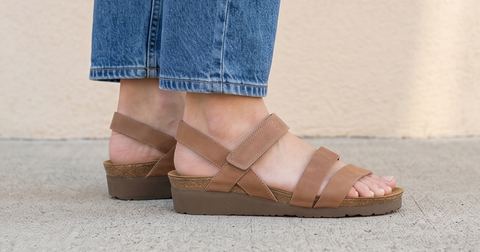
How to choose shoes and sneakers that fit and last
The right pair of shoes keeps your feet comfortable all day and holds up to regular wear. This guide covers fit, materials, soles and support, how to match your budget to your needs, and simple care habits that help sneakers and shoes last longer.
Updated 6 November 2026
What to look for
Fit and size
Fit comes first. Measure your feet, ideally in the afternoon when they are slightly larger, and compare the results to the brand's size guide. Sizing differs between makers, and many shoes come in different widths. You should have about a thumb's width of space past your longest toe, a snug heel and no pinching across the ball of the foot.
Upper materials
The upper is the part that wraps your foot. Leather is durable, molds to the foot over time and can be repaired. Suede is soft but needs more protection from water. Knit and mesh uppers are light and breathable, though they can wear out faster in high-friction spots. Canvas is simple and easy to clean. Pick what fits your climate and daily routine.
Sole and cushioning
Flex the shoe in your hands. It should bend where your toes bend, not in the middle. A rubber outsole with a clear tread pattern usually grips better and lasts longer than a smooth or very soft sole. Midsole foam gives cushioning, but very soft foam can compress and lose its spring over time. Match the cushioning to your activity, whether that is walking, running, standing at work or casual wear.
Support and stability
Look for a firm heel counter that holds your heel in place and an arch shape that feels natural to you. Shoes should not twist easily when you hold the heel and toe and wring them. If you use custom insoles, check that the shoe has a removable insole and enough depth for them.
Construction
Check the stitching, glue lines and how the sole joins the upper. Clean, even finishing is a good sign. Shoes with a stitched sole can often be resoled, which extends their life considerably. Cemented soles are lighter and common in sneakers, but are harder to repair.
Choosing by budget
At the entry level, shoes are usually made with simpler materials and lighter-duty soles. They can work well for occasional use, casual outings or trying out a style. Expect the cushioning and the upper to wear down sooner, especially with daily use.
In the mid-range, you will usually find better cushioning, more durable outsoles, improved breathability and a wider range of sizes and widths. This is a sensible tier for everyday shoes, workout sneakers and walking shoes that get regular use.
At the premium level, you often find higher grade leathers, stitched construction, specialized technical designs and options for repair or resoling. These shoes can last for years with good care, but they are only a good investment if they fit your feet comfortably from the start.
Common mistakes to avoid
- Choosing by size number alone instead of checking the brand's size guide and foot measurements.
- Buying a tight pair expecting it to stretch, since many materials will not give much.
- Wearing running shoes for every activity, when different sports and work settings call for different support.
- Ignoring width, which is a common cause of discomfort and blisters.
- Wearing the same pair every single day, which does not give the cushioning or lining time to recover.
- Keeping worn-out shoes too long. Flattened cushioning and uneven tread mean it is time for a new pair.
Care and getting the most from it
Rotate between two or more pairs if you can. Shoes need a day to dry out and recover between wears. Use the same socks you plan to wear with them when you try them on.
Clean leather with a soft damp cloth and condition it now and then. Brush suede with a suede brush and use a protector spray suited to the material. Wipe knit and canvas uppers with mild soap and a soft brush, and avoid putting shoes in the dryer, because heat can warp glue and foam.
Dry wet shoes at room temperature, stuffed loosely with paper, and keep them away from direct heat. Use a shoe horn so you do not crush the heel. Replace laces and insoles when they wear out, and store shoes in a cool, dry spot with a little airflow.
Quick checklist before you buy
- Measure your feet and compare to the size guide, including width options.
- Check the upper material for your climate and use.
- Look at the outsole tread and how the sole is attached.
- Confirm there is room for your toes and a secure heel.
- Check for a removable insole if you use orthotics.
- Read the returns and exchange policy, and try shoes indoors on a clean floor first.