How to read supplement labels and choose with confidence
Supplement labels can be confusing, and products vary widely in quality. This guide shows what to check on a label, including testing, dosage and allergens, how to think about budget, and how to store and use supplements responsibly.
Updated 6 November 2026
What to look for
Third-party testing
Look for a statement that an independent lab has tested the product for purity and for what the label says is inside. Reputable brands are happy to explain their testing and may share lab reports for each batch. A product that gives no information about quality control is harder to trust.
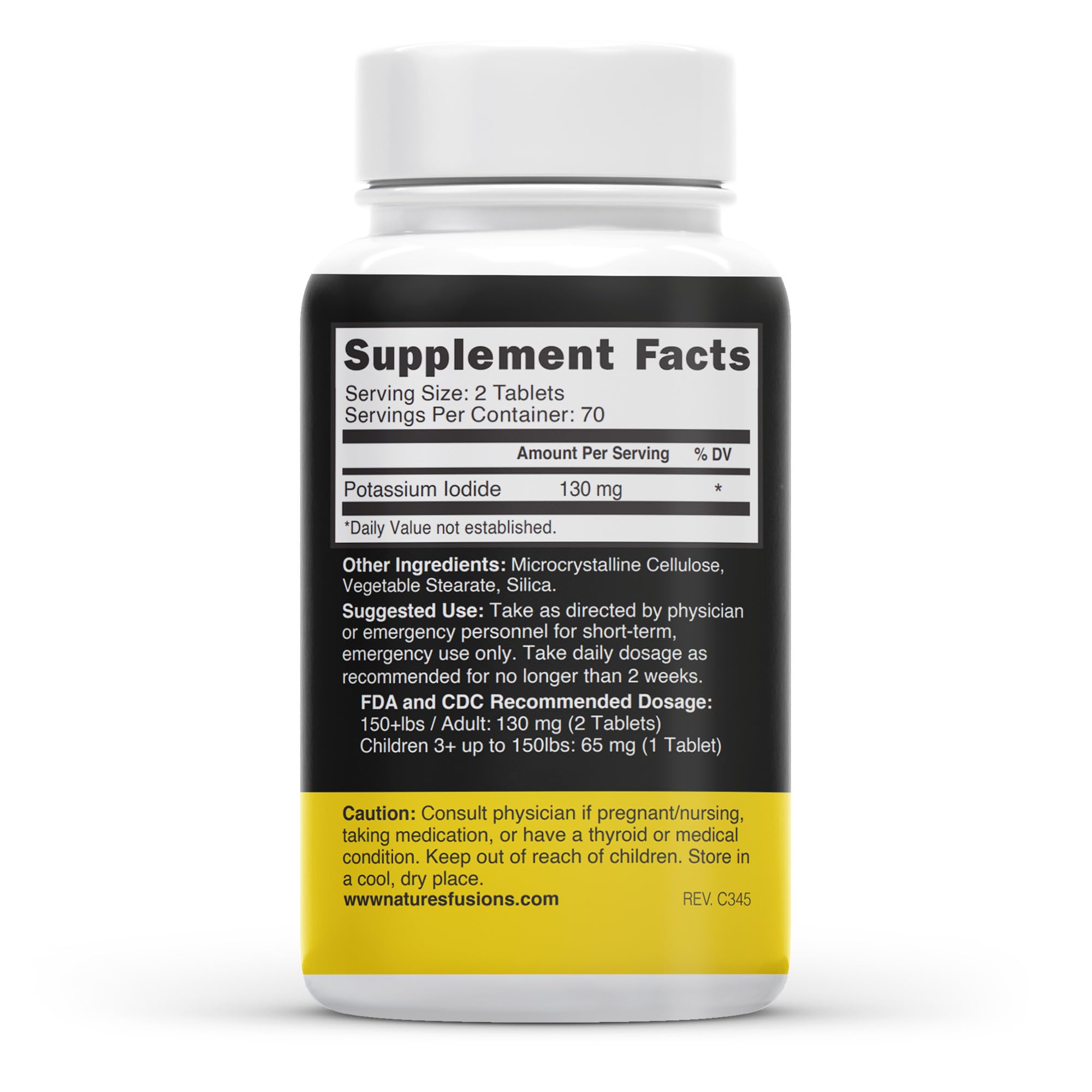
Clear dosages and the supplement facts panel
The supplement facts panel should list each ingredient, the amount per serving and the serving size. Be wary of proprietary blends that hide individual amounts. Compare the amount per serving with the number of capsules or scoops you would take, because a serving is sometimes more than one pill.
The form of the ingredient
Many nutrients come in different forms, and the label should say which one is used. The form can affect how the product tastes, how it is taken and how well it suits you. If you are unsure which form fits your needs, a pharmacist can explain the differences.
Allergens and other ingredients
Read the other ingredients section as carefully as the main list. Check for common allergens such as milk, soy, wheat, eggs, fish, shellfish and tree nuts. Look for fillers, artificial colors, sweeteners and flavors if you want to avoid them. If you follow a vegan, gluten-free or other special diet, look for clear labeling rather than assuming.
Honest claims and dating
Labels should describe what an ingredient does in general terms, not promise to cure, treat or prevent a disease. Treat any dramatic promise as a warning sign. Also check the lot number and expiry date, and look for tamper-evident seals on the package.
Choosing by budget
At the entry level, you will find basic formulas with a short ingredient list. These can be reasonable options, but check for testing information and make sure the amounts listed match what you are looking for. Fillers and flavors may be more common.
In the mid-range, expect more consistent quality control, clearer labeling, more ingredient form choices and often third-party testing. This is often a sensible place to look for products you plan to take regularly.
At the premium level, you may see specialized formulas, cleaner ingredient lists, more detailed sourcing information and higher testing standards. A higher cost is not proof of a better product, so compare labels and testing information in the same way at every level.
Common mistakes to avoid
- Starting a new supplement without speaking to a doctor or pharmacist.
- Assuming natural means safe for everyone, since some ingredients interact with medications.
- Taking several products without noticing they contain the same ingredient.
- Choosing by marketing claims instead of the supplement facts panel.
- Exceeding the serving size on the label in the hope of faster results.
- Skipping the allergen statement and other ingredients list.
Care and getting the most from it
Check with a doctor or pharmacist before you start any supplement, especially if you are pregnant, nursing, planning surgery, managing a health condition or taking medication. They can tell you whether a product is suitable for you and how it might interact with other things you take.
Follow the directions on the label, including whether to take it with food or water. Keep a simple log of what you take so you can share it with your healthcare provider. Stop use and seek advice if you notice an unwanted reaction.
Store supplements in a cool, dry place with the cap tightly closed, and away from heat, humidity and direct sun. Bathrooms are often too damp. Keep all supplements out of reach of children, and do not use them past the expiry date. Buy sizes you will finish within a reasonable time.
Be consistent and patient. Take a product at the same time each day, and use a pill organizer if you take more than one. Avoid mixing several new products at once, because it becomes difficult to know what is causing a reaction. Remember that supplements are meant to add to a varied diet, not replace it.
Bring the actual bottles or photos of the labels to appointments so your provider can see exact ingredients and amounts.
Quick checklist before you buy
- Look for evidence of third-party testing.
- Read the supplement facts panel for amounts per serving and the form used.
- Check the allergen statement and other ingredients.
- Avoid vague proprietary blends and dramatic health promises.
- Check the expiry date and tamper-evident seal.
- Confirm the returns policy, which may be limited for opened products.
- Talk with a doctor or pharmacist before you start.